Burying the waterproofing under planting or water raises the stakes on everything beneath it. Root resistance, leak detection and the details are what decide success.
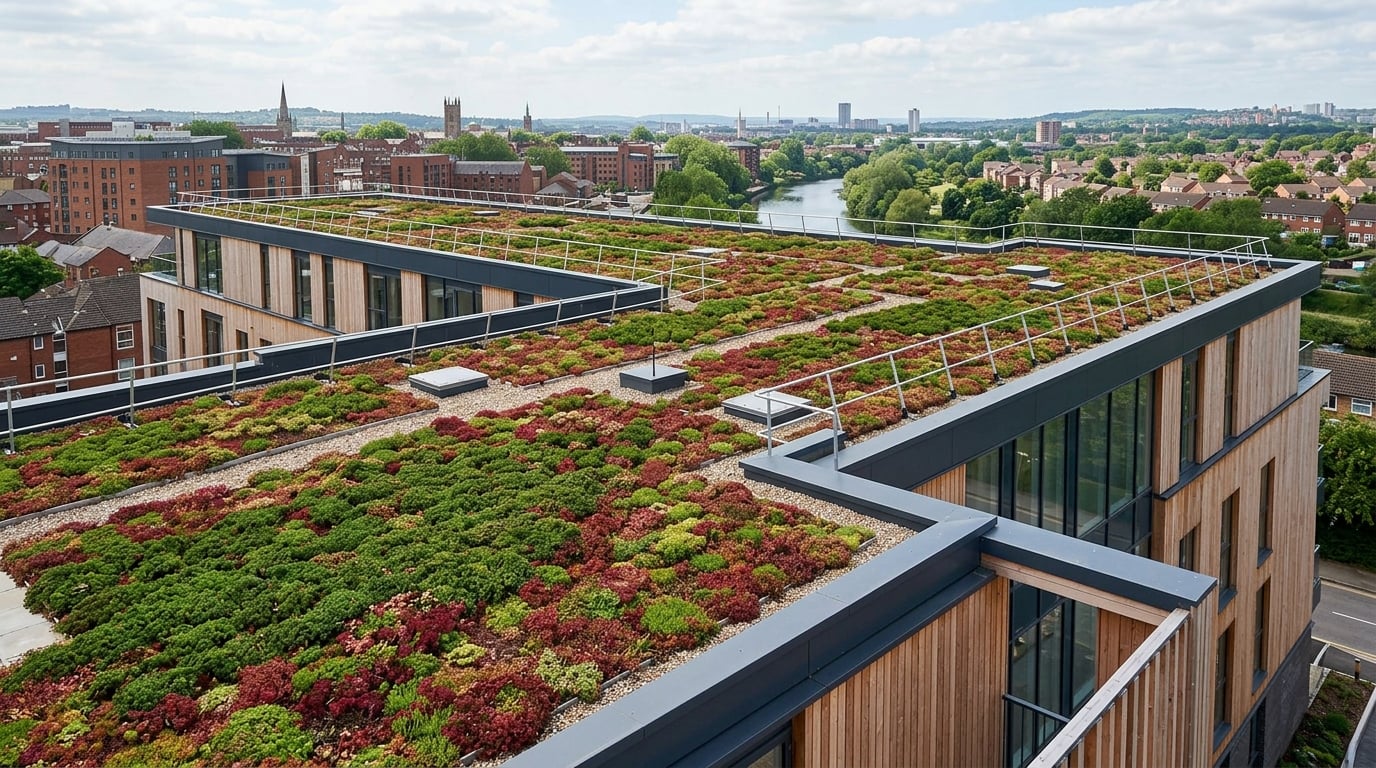
Green and blue roofs are configurations, not waterproofing chemistries. A green roof carries a growing medium and planting; a blue roof is designed to attenuate rainwater by holding it temporarily on the roof. Both place the waterproofing under something that makes a future leak expensive to find and to reach — which raises the standard demanded of everything beneath.
Root resistance is product-specific
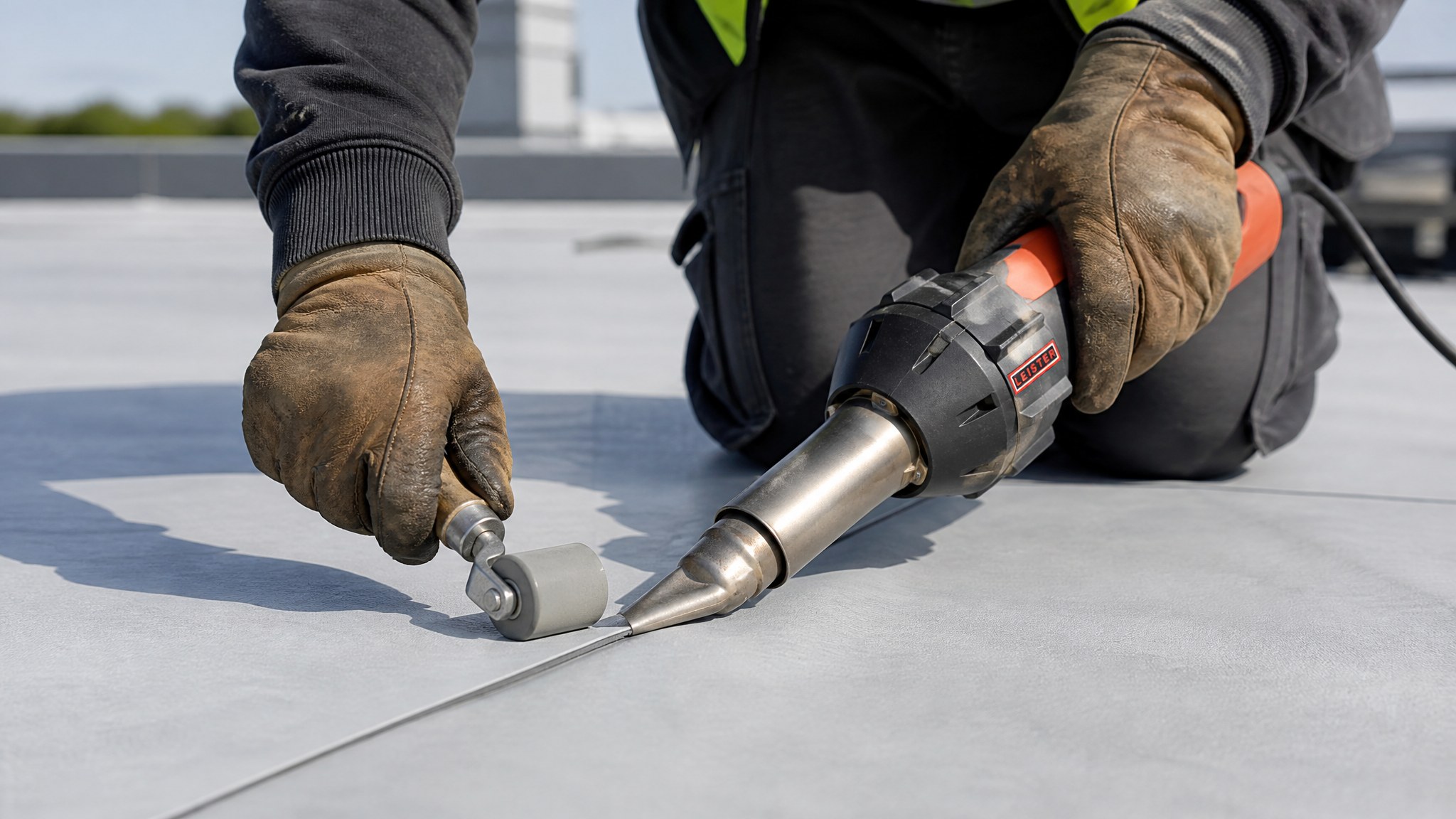
Root resistance cannot be assumed for a family. It requires test evidence to the relevant root penetration procedure for the named membrane at the named thickness. And even a root-resistant sheet says nothing about your laps, penetrations and upstands — which is precisely where root ingress actually happens.
The membrane is only as buried-proof as its worst detail. Under a landscape, the detail you skip is the one you will excavate to find.
Blue roofs concentrate the risk
A blue roof deliberately holds water, so falls, outlet design, overflow provision and the structural load of retained water all become critical, and zero-fall or controlled-flow designs are specialist work. The waterproofing beneath must be specified and detailed for permanent or frequent water contact, not merely for shedding rain.
What to verify before you commit
- Root resistance evidence for the exact membrane and thickness, not the family
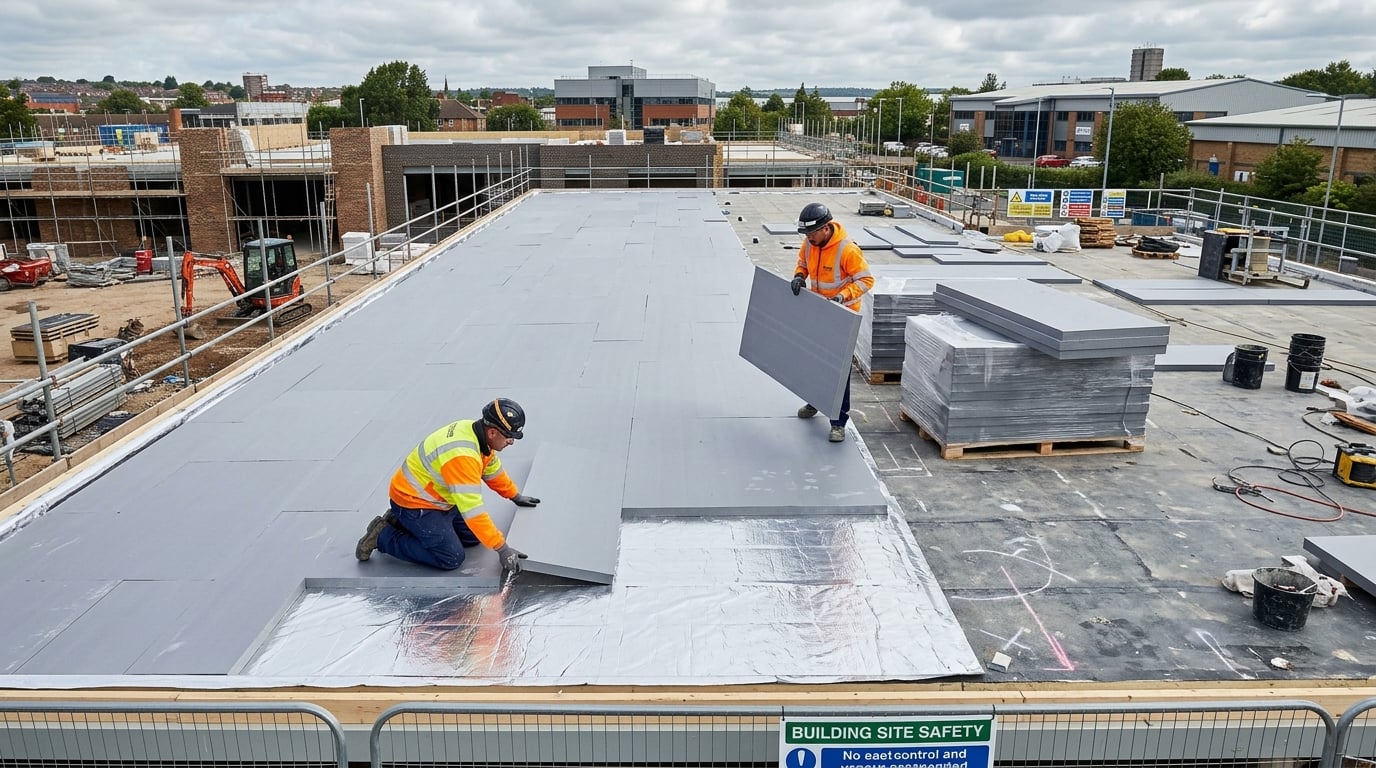
- A protection layer and, for inverted build-ups, a water flow reducing layer
- Structural confirmation of the saturated or retained-water load
- A leak detection strategy appropriate to a buried membrane
- Detailing of upstands and penetrations designed for the buried condition
Done well, a green or blue roof is a genuine asset. Done without product-specific evidence and disciplined detailing, it is a waterproofing problem with a garden on top.